Receiving a massive, unexpected property tax statement can completely derail your household budget. In Stark County, Ohio, property taxes are billed in arrears and collected semiannually, forcing real estate owners to face hefty lump-sum liabilities twice a year. Fortunately, you can break this financial burden into manageable parts. The official Stark County Monthly Escrow Program allows you to divide your annual tax footprint into equal, predictable monthly payments. This comprehensive guide walks you through enrollment, county compliance rules, and automatic payment setups to secure your financial peace of mind.
Administrative Framework: The Auditor vs. The Treasurer
To successfully navigate your property records, you must understand how county departments interact. While this monthly plan is handled by the Stark County Treasurer’s Office, it relies directly on data managed by the Stark County Auditor’s Office.
The two offices split property tax duties along clear statutory lines.
[Stark County Real Estate Tax Flow]
├── Stark County Auditor ──────► Establishes Fair Market Value & Calculates 35% Assessed Value
└── Stark County Treasurer ────► Manages Escrow Accounts, Collects Monthly Prepayments, & Safekeeps Funds
The Auditor acts as the official evaluator. Their team updates your property card, tracks building additions, implements agricultural tax savings, and establishes your 35% taxable assessed value footprint.
Once the Auditor finalizes these figures, the tax duplicate is sent to the Treasurer’s Office. The Treasurer is the official tax collector and financial safekeeper. The Treasurer manages enrollment, tracks your monthly deposits, and applies those escrowed funds to settle your account when tax deadlines arrive.
Core Mechanics: How the Prepayment Program Works
The Monthly Escrow Program is entirely optional and serves as a free budgeting tool, featuring zero administrative service fees or hidden charges. It functions like a personal tax savings account managed directly by the county courthouse.
Calculating the Monthly Installment
When you request enrollment, the Treasurer’s Real Estate Division pulls your property’s past annual tax history from the duplicate. They divide that total baseline into equal monthly payments based on how many months remain before the next semiannual tax bill is finalized.
- The Coupon Method: If you choose manual billing, the Treasurer mails you a packet of pre-printed monthly payment coupons along with return labels. The amount on each coupon is a suggested installment designed to keep your budget on target.
- Flexible Payment Rules: The program is highly flexible. Missing a single monthly coupon payment does not trigger a penalty or interest fee, provided your total semiannual tax bill is paid in full by the official county deadline.
Escrow Accounts vs. Standard Semiannual Tax Billing
| Operational Parameter | Standard Semiannual Tax Billing | Treasurer’s Monthly Escrow Program |
| Payment Frequency | Twice per calendar year (typically late winter/early spring and mid-summer). | Monthly installments paid throughout the year. |
| Budget Impact | Requires large lump-sum cash outlays every six months. | Spreads out expenses by breaking your tax footprint into smaller monthly amounts. |
| Administrative Fees | None. | 100% Free Service; no structural processing fees or account maintenance charges. |
Step by Step Instructions: Enrolling in the Escrow Plan
To move your property from a standard semiannual payment schedule to the monthly escrow framework, follow this step-by-step administrative roadmap.
[Escrow Enrollment Roadmap]
  Step 1: Audit account status (Confirm zero delinquent balances exist)
  Step 2: Submit signed Escrow Prepayment Contract to the Treasurer's Office
  Step 3: Select payment method (Manual Coupon vouchers vs. ACH Automatic Debit)
  Step 4: Review your semiannual tax bill statements for applied credits
Step 1: Verify Your Eligibility
The primary requirement to enter the escrow plan is that your property account must be completely current. If you have outstanding back taxes, interest penalties, or active tax liens, you cannot enroll in the prepayment plan. You must pay those delinquent balances in full before the account can switch to an active escrow status.
Step 2: Complete the Prepayment Contract
Download and complete the official real estate escrow agreement from the county portal. You must provide your full name, the physical property address, and your multi-digit permanent parcel identification number, which can be verified on the Auditor’s GIS mapping site. Sign and date the contract to authorize the Treasurer to open your prepayment account.
Step 3: Choose Your Automated Payment Method
You can choose how to make your monthly pre-payments:
- Automated Clearing House (ACH) Debit: This secure method automatically deducts your calculated payment directly from your checking or savings account on a designated business day each month. This option eliminates the need to write paper checks or buy postage stamps.
- Manual Check / Money Order: You can use the provided monthly voucher coupons to mail a physical check directly to the courthouse.
Step 4: Audit Your Semiannual Settlement Statement
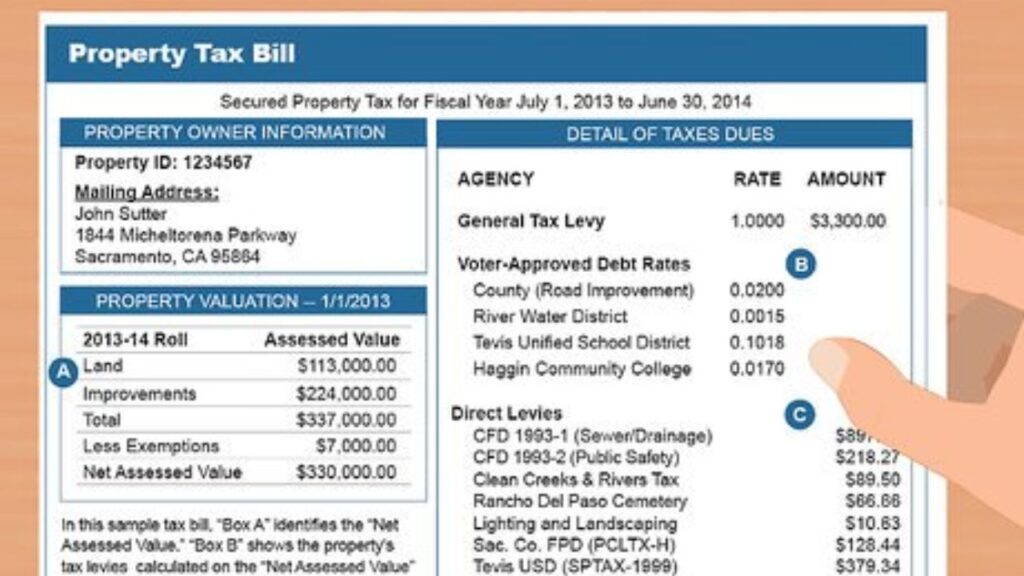
When the official tax collection periods open each half-year, the Treasurer will still send you a standard property tax statement. However, this bill will explicitly show all the monthly escrow payments you made during that cycle as a prepayment credit. The statement will calculate any remaining balance due, which must be settled by the closing date to avoid a late fee.
Important Exceptions: Mortgages and Mobile Homes
Before changing your payment setup, check your current mortgage terms. If your monthly house payment already includes a mandatory escrow allocation managed by a bank or mortgage servicer, you should not enroll in the county program. Signing up while a bank is actively paying your taxes will cause double-payments and account errors. The Treasurer’s program is specifically designed for owners who do not have a mortgage escrow account and are responsible for paying the county complex directly.
Additionally, under state guidelines, manufactured or mobile homes taxed under a separate depreciated schedule may face different enrollment dates or processing constraints compared to permanent real estate parcels.
Local Administrative Submission Channels
You can mail or hand-deliver your completed escrow enrollment forms, ACH authorization letters, and monthly coupon payments directly to the county seat:
- Office Name: Stark County Treasurer’s Office
- Physical Address: 110 Central Plaza South, Suite 250, Canton, OH 44702
- Official Document Drop Box: Available outside the Treasurer’s office suite for secure, after-hours paperwork drop-offs.
Conclusion
The Stark County Escrow Program provides a practical, straightforward way to handle your property tax obligations. By working with the Stark County Treasurer, you can replace large, unpredictable semiannual payments with steady, planned monthly installments. This approach keeps your account current, aligns your tax expenses with your regular income, and helps you manage your real estate assets with confidence.
FAQs
Is there a fee to join the Stark County monthly tax prepayment plan?
No. The Monthly Escrow Program is a completely free service provided by the County Treasurer’s office to assist local taxpayers with budgeting.
What happens if I miss a monthly coupon payment?
There are no penalties or interest charges for missing a monthly payment, provided your total semiannual tax balance is paid in full by the official county deadline.
Can I enroll in the escrow program if my property has a delinquent tax balance?
No. Your account must be completely current to join. If you have past-due taxes, you must set up a delinquent tax contract with the Treasurer instead.
Can I use the program if my mortgage company already collects my escrow?
No. If your mortgage provider handles your tax payments through an internal escrow account, you should not enroll in the county plan.
How does the Treasurer determine my monthly installment amount?
The office looks at your property’s prior annual tax footprint and divides that total into equal payments based on the remaining months in the current tax cycle.